
gambar production of cement by the dry process manufacturer Grasping strong production capability, advanced research strength and excellent service, Shanghai gambar production of cement by the dry process supplier create the value and bring values to all of customers.
 WhatsApp)
In dry and semi dry processes for manufacturing of cement, the raw materials are crushed and fed in the correct proportions into a grinding mill. The raw materials are dried and reduced in size to a fine powder in to grinding mill. The dry powder is called the raw meal. The raw meal is .
Aug 10, 2015· dry and wet process of cement manufacturing heavy industry is specialized in the design, manufacture and supply of crushing equipment used in mining industry. The product range of our company comprises mobile crushing plant, jaw crusher, cone crusher, impact crusher, milling equipment, ball mill, vibrating feeders, screens and equipment ...
The production of cement is either through the wet or dry process with the dry process as the preferred option because of the lower energy intensity. Cement production accounts for about 5% of total anthropogenic emissions (IFC, 2017). Cement-based structures constitute the largest surface area of all man-made structures (Odigure, 2009).

Process Discretion: Wet process, Semi-dry process, Dry process and Finish process. The environmental im pact of the cement production and its variations between different cement .
Jan 15, 2020· The cement manufacturing process involves several key steps, including preparing the raw materials, grinding the materials together, heating the newly formed clinker in a kiln, and finishing the cement with fine grinding.Some of the main ingredients used to make cement include limestone, clay, shale, iron, and sand.Different manufacturing techniques will use either wet or dry grinding, but ...
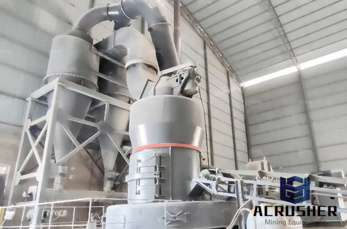
that of dry powders. The wet process also enables an easier control of the chemical composition of the raw mix. However, the wet process is more energy intensive and Fig. 1 - Simplified cement production process[5] Tab. 1 – Cement EU Standard and Composition [5] Types of cement Clinker Other Constituents CEM I Portland 95-100 CEM II
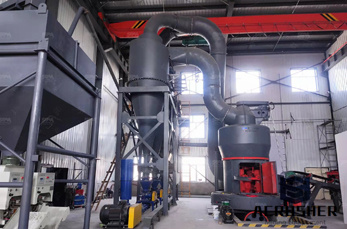
During the process of cement production, 3 tons of materials at least are needed to be ground to produce one ton of Portland cement. These materials include various raw materials, fuels, clinkers, mixtures and gypsum. According to statistics, over 60% cement plant power will be consumed to grind materials in dry process cement production line.
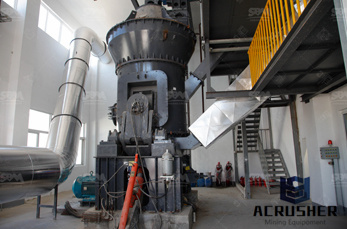
Cement - Cement - Extraction and processing: Raw materials employed in the manufacture of cement are extracted by quarrying in the case of hard rocks such as limestones, slates, and some shales, with the aid of blasting when necessary. Some deposits are mined by underground methods. Softer rocks such as chalk and clay can be dug directly by excavators. The excavated materials are transported ...

The two basic methods for applying shotcrete are the dry-mix process and the wet-mix process. The term gunite is frequently used when referring to the dry-mix method; other terms such as air-placed concrete, gunned concrete and sprayed concrete have also been used in the past to describe the process.
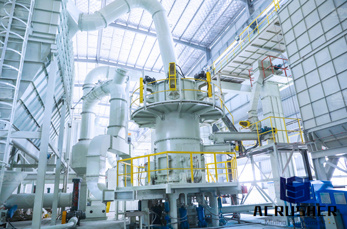
Jan 28, 2017· Cement is topic;like and give credit for my free work cement cement and its types Manufacturing of cement uses of cement wet process dry process portland ce. Slideshare uses cookies to improve functionality and performance, and to provide you with relevant advertising.
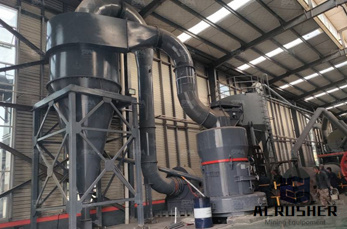
Cement is manufactured through a closely controlled chemical combination of calcium, silicon, aluminum, iron and other ingredients. The most common way to manufacture Portland cement is through a dry method. Great wall can provide you the new type dry process cement plant:
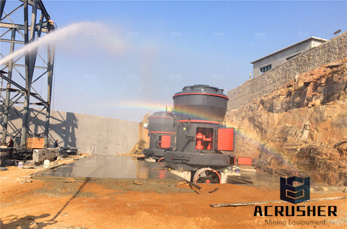
Steps of Cement Production Process . Cement is one of the most common and important building materials. It is a very critical ingredient because only cement has the ability to increase the viscosity of concrete, which in turn provides the ability to lock sand and gravel together in concrete mixtures.
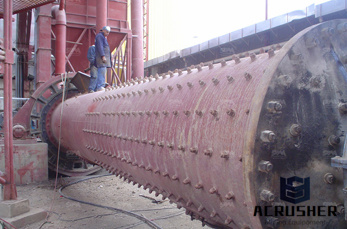
Jun 10, 2014· Evolution of the cement Process • Wet process easiest to control chemistry & better for moist raw materials. • Wet process high fuel requirements - fuel needed to evaporate 30+% slurry water. • Dry process kilns less fuel requirements • Preheater/Precalciner further enhance fuel efficiency & allow for high production rates. 17.
Methods of Manufacturing Process of Cement. At present Portland Cement is manufactured by two processes, Dry Process, and Wet Process. The main difference between these two methods of manufacturing of cement is that in the dry process, calcareous and argillaceous raw materials are fed into the burning kilns in a perfectly dry state.
Mar 28, 2018· Fuel consumption is low i.e., 100 kg of coal per tonne of cement produced. Cost of production is less. Capital cost is high due to blenders. Which one is better? If we consider the quality and rate then wet process is better and if we consider fuel consumption and time of process then dry process is better.
Mar 28, 2018· Fuel consumption is low i.e., 100 kg of coal per tonne of cement produced. Cost of production is less. Capital cost is high due to blenders. Which one is better? If we consider the quality and rate then wet process is better and if we consider fuel consumption and time of process then dry process is better.
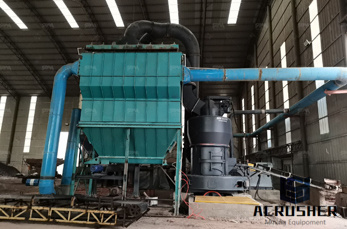
The wet process of cement manufacturing involves adding water to finely crushed raw material, such as limestone, clay or iron ore, in a proportion of 35 to 50 percent water to 50 to 65 percent raw material to make a slurry that is fed into a cement kiln, whereas no water is added in the dry process.
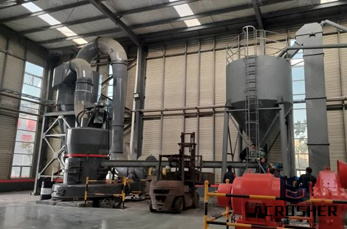
Aug 30, 2012· The remaining cement is shipped in bulk quantities by mean of trucks, rails or ships. Cement Manufacturing Process Flow Chart. After explaining the complete process of cement making, flow chart would be like that. flow chart present the summary of whole process as shown below.
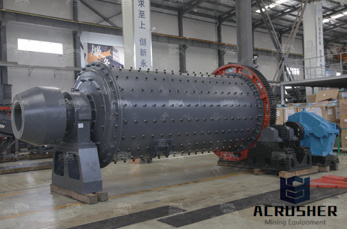
Cement is so fine that 1 pound of cement contains 150 billion grains. The cement is now ready for transport to ready-mix concrete companies to be used in a variety of construction projects. Although the dry process is the most modern and popular way to manufacture cement, some kilns in the United States use a wet process.
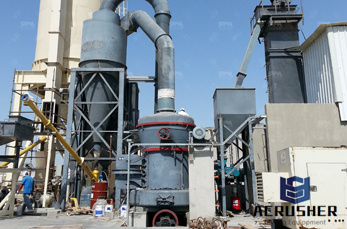
Aug 22, 2017· If we consider the Quality and Rate then wet process is better and if we consider Fuel consumption and Time of Process then dry process is better. * Dry Process The both calcareous and argillaceous raw materials are firstly crushed in the gyratory...
Stage of Cement Manufacture. There are six main stages of cement manufacturing process. Stage 1 Raw Material Extraction/Quarry. The raw cement ingredients needed for cement production are limestone (calcium), sand and clay (silicon, aluminum, iron), shale, fly ash, mill scale and bauxite. The ore rocks are quarried and crushed to smaller pieces of about 6 inches.
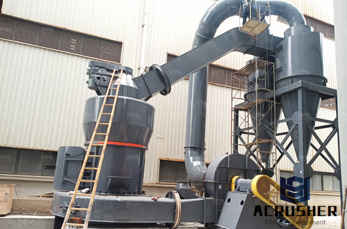
Sep 10, 2015· One such product that depends on a low w/c ratio is dry-cast concrete. A dry-cast mixture has just enough water to initiate cement hydration within the range of 0.30 to 0.38 without the use of admixtures. Below, several important facts regarding dry-cast concrete are outlined. 1. Increased production
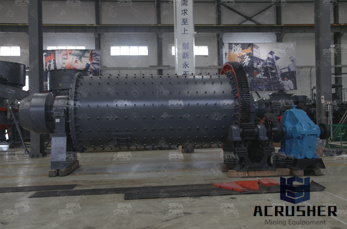
Cement is the substance which holds concrete together, which means that it is extremely widely used in our society. It has been manufactured in New Zealand for more than 100 years, and during this century production has increased one hundred-fold. Portland cement (the only type of cement in common use today) is manufactured in a four step process.

Chapter-3 Cement Manufacturing Process 37 the negative air is vented out to the atmosphere. The collected fine powder is retrieved with the help of rapping mechanism and the same is fed to the process. 3.1.4 Blending and Storage After filling the powdered materials from raw mill to a certain level in the
WhatsApp)
 Online Chat
 Sales Hotline